
Expert Guide: Making Pet Transportation Stress-Free

Transporting your pet can be a daunting task. Whether you are moving to a new home, going on vacation, or just visiting the vet, the process can be stressful for both you and your furry friend. However, with the right preparation and knowledge, you can make pet transportation a smooth and enjoyable experience.
In this guide, we will explore practical tips and strategies to ensure that your pet travels comfortably and safely. From choosing the right carrier to preparing your pet for the journey, we have you covered.
Understanding Your Pet's Needs
Before you embark on any journey, it is essential to understand your pet's specific needs. Different animals have different temperaments and requirements.
Dogs: Most dogs are social and enjoy being around people. However, some may feel anxious in new environments.
Cats: Cats are often more sensitive to changes in their surroundings. They may require extra care and attention during transportation.
Take some time to observe your pet's behavior. This will help you tailor your approach to their unique needs.
Choosing the Right Carrier
Selecting the right carrier is crucial for a stress-free journey. Here are some factors to consider:
Size: Ensure the carrier is spacious enough for your pet to stand, turn around, and lie down comfortably.
Ventilation: Look for carriers with adequate ventilation to keep your pet cool and comfortable.
Security: Choose a carrier that is sturdy and secure to prevent any escapes during travel.
When in doubt, consult your veterinarian for recommendations on the best carrier for your pet.
Preparing Your Pet for Travel
Preparation is key to a successful trip. Here are some steps to help your pet get ready:
Familiarization: Allow your pet to explore the carrier before the trip. Place their favorite blanket or toy inside to make it feel like home.
Practice Runs: Take your pet on short car rides to help them get used to the motion and sounds of travel.
Health Check: Schedule a visit to the vet to ensure your pet is healthy and up-to-date on vaccinations. This is especially important if you are traveling to a new area.
Hydration and Food: Keep your pet hydrated during the journey. Offer small amounts of water and food, but avoid feeding them right before travel to prevent motion sickness.
Traveling by Car
If you are traveling by car, there are several tips to keep in mind:
Secure the Carrier: Always secure the carrier with a seatbelt to prevent it from moving during the drive.
Frequent Breaks: Plan for regular breaks to allow your pet to stretch their legs and relieve themselves.
Temperature Control: Keep the car at a comfortable temperature. Avoid leaving your pet in a hot car, even for a short time.
Calm Environment: Play soft music or talk to your pet to create a calming atmosphere during the ride.
Traveling by Air
Air travel can be more complicated, but with the right preparation, it can be manageable. Here are some tips:
Check Airline Policies: Different airlines have different rules regarding pet travel. Make sure to check their policies well in advance.
Book Early: Reserve your pet's spot as early as possible, as airlines often have a limited number of spaces for pets.
Health Certificate: Obtain a health certificate from your vet, as many airlines require this for pet travel.
Direct Flights: Whenever possible, book direct flights to minimize the stress of layovers.
Making the Journey Comfortable
During the journey, your pet's comfort should be a top priority. Here are some ways to ensure they feel at ease:
Familiar Items: Bring along familiar items such as blankets or toys to provide comfort.
Calming Aids: Consider using calming sprays or pheromone diffusers to help reduce anxiety.
Monitor Behavior: Keep an eye on your pet's behavior during the trip. If they seem stressed, try to soothe them with gentle words or petting.
Arriving at Your Destination
Once you arrive at your destination, it is important to help your pet adjust to their new surroundings. Here are some tips:
Set Up a Safe Space: Create a designated area for your pet with their bed, food, and water. This will help them feel secure in their new environment.
Explore Gradually: Allow your pet to explore their new surroundings at their own pace.
Routine: Try to maintain their regular feeding and walking schedule to provide a sense of normalcy.
Special Considerations for Exotic Pets
If you have an exotic pet, such as a bird or reptile, there are additional considerations to keep in mind:
Specific Carrier Needs: Ensure that the carrier is suitable for your specific type of pet. For example, birds may require a carrier with a perch.
Temperature Control: Exotic pets often have specific temperature requirements. Make sure to monitor the temperature during travel.
Dietary Needs: Bring along the appropriate food and any necessary supplies for your exotic pet.
Tips for Traveling with Multiple Pets
Traveling with more than one pet can be challenging, but it is manageable with the right approach. Here are some tips:
Separate Carriers: Use separate carriers for each pet to prevent stress and fighting.
Plan for Breaks: Schedule extra breaks to allow each pet to relieve themselves and stretch.
Monitor Interactions: Keep an eye on how your pets interact during the journey. Some may feel more comfortable being separated.
Dealing with Anxiety
If your pet is prone to anxiety, there are several strategies you can use to help them cope:
Desensitization: Gradually expose your pet to the carrier and car rides to reduce anxiety over time.
Calming Products: Consider using calming collars or supplements designed to reduce anxiety in pets.
Consult a Professional: If your pet's anxiety is severe, consult your veterinarian for advice on behavior modification techniques or medications.
The Importance of Identification
Always ensure your pet has proper identification during travel. This includes:
Collar and Tag: Make sure your pet wears a collar with an ID tag that includes your contact information.
Microchip: Consider microchipping your pet for added security. This can help reunite you with your pet if they get lost.
Final Thoughts on Stress-Free Pet Transportation
Transporting your pet does not have to be a stressful experience. With careful planning and preparation, you can ensure that your furry friend travels comfortably and safely.
Remember to consider your pet's unique needs, choose the right carrier, and prepare them for the journey ahead. By following these tips, you can create a positive travel experience for both you and your pet.
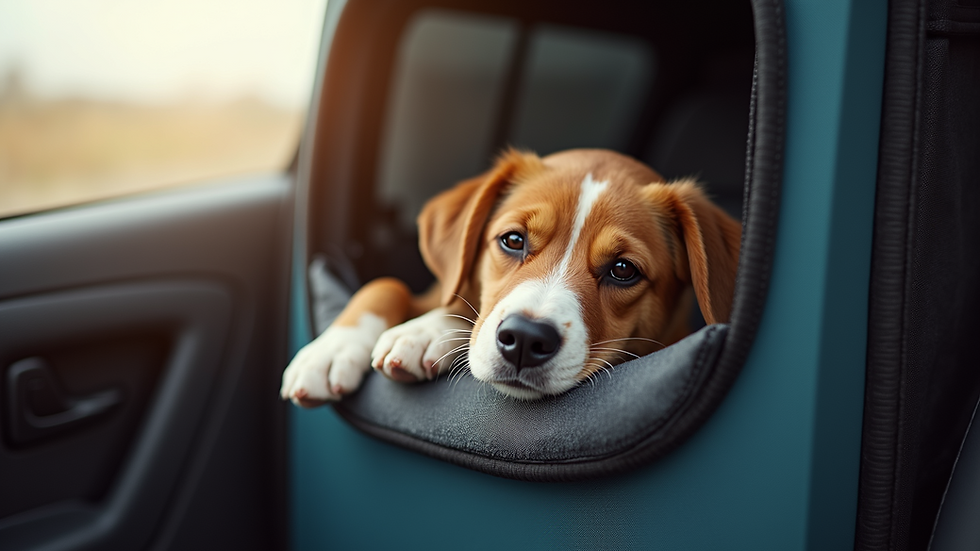
With the right approach, you can turn pet transportation into a stress-free adventure. Happy travels!

Comments